Fungi Are No Fun For Plants
The fungus Botrytis cinerea (B. cinerea) derives its name from the Latin term for “grapes of ash.” Also known as gray mold, this harmful crop pathogen coats damaged plant tissue with an ashy fuzz made from small, grape-like spores. The fungus can infect more than 1400 types of plants including strawberries, tomatoes, and grapes.Chances are, you’ve seen B. cinerea growing on old produce in the back of your fridge.
Fungi like B. cinerea pose a major threat to the agricultural industry and global food security. Fungal diseases kill 10-20% of crops worldwide prior to harvest, and another 10-20% are lost after harvest. This amount of lost food could feed up to 4 billion people a year.
These crop losses occur despite anti-fungal farming strategies. Farmers will clear diseased plant tissue, use chemical fungicides, and genetically engineer crops to resist fungal disease. However, negative environmental effects of fungicides, the emergence of fungicide-resistant strains of fungi, and wariness toward genetically modified organisms challenge the application of these strategies.
To develop improved methods to combat fungal diseases, agricultural scientists have been looking to plant immunolo-gy for inspiration. In the last decade, a novel technique known as spray-induced gene silencing (SIGS), which sprays plants with inhibitory RNAs that silence vital fungal genes, has shown promise in multiple studies.
SIGS works by harnessing the powerful genetic regulation system known as RNA interference (RNAi). In all living organisms as well as in some viruses, the genetic code of DNA is transcribed into messenger RNA (mRNA), which is then translated into functional protein. To avoid excessive amounts of host protein or to destroy viral proteins, RNAi disrupts protein production in an organism by targeting specific mRNA for degradation. The key player in RNAi is double-stranded RNA (dsRNA), which locates mRNA with the same sequence and guides a group of proteins called the RNA-induced silencing complex (RISC) to the mRNA. Then, RISC chops up the mRNA, preventing it from being translated into protein. The term RNAi refers to the way dsRNA and RISC “interfere” with mRNA to silence proteins.
The Floral History of RNAi
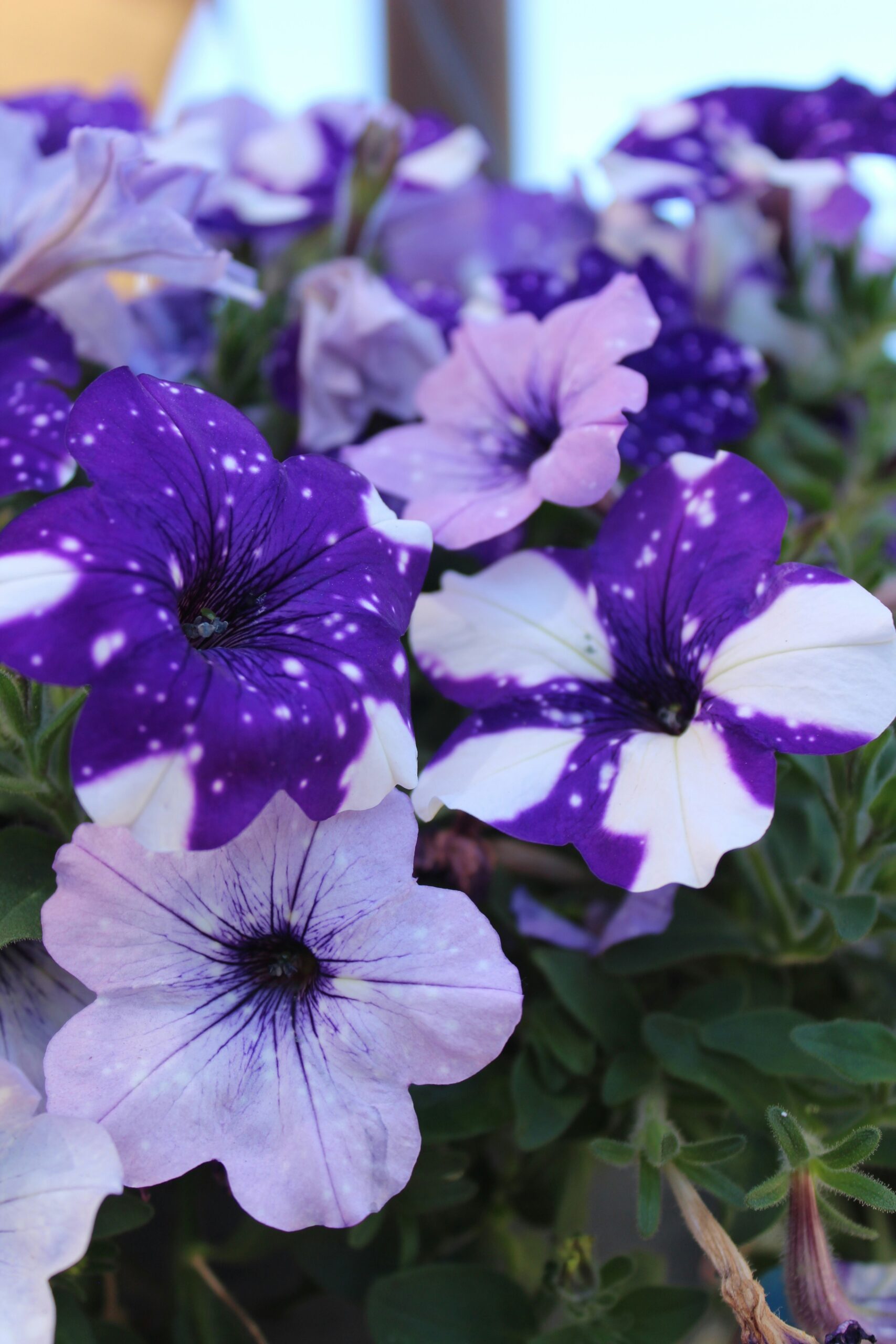
RNAi regulates gene expression and provides viral defense in almost all animals, plants, and fungi, but the phenome-non was first discovered in plants in 1990, when an experiment with petunias produced curious results. A group of plant biologists led by Carolyn Napoli had been trying to enhance the color of the petunias by adding DNA encoding violet pigment protein. To their surprise, the flowers turned white, and the mRNA levels of the pigment protein diminished. Although the petunia biologists did not realize at the time, the added DNA had been converted to dsRNA and had guided RISC to destroy the pigment protein mRNA.
Over the next five years, scientists extended the scope of RNAi to fungi and animals. One lab produced albino ver-sions of the fungus Neurospora crassa (red bread mold) by targeting fungal pigment proteins with RNA. Multiple groups injected RNA into the worm Caenorhabditis elegans and observed the loss of the corresponding mRNA and proteins. One of these worm experiments was the first to prove that dsRNA caused RNAi, awarding Andrew Fire and Craig Mello the Nobel Prize in Physiology or Medicine in 2006. These experiments helped show that RNAi is a highly conserved gene regulation system that functions in many organisms.
Developing SIGS for a greener fungicide
Plants use RNAi to regulate their own proteins but also to silence foreign proteins from pathogens like viruses and fungi. Indeed, plants can transfer dsRNAs directly into insects and fungi to disrupt the pests’ genes in a process called “cross-kingdom RNAi.” In the mid-2010s, scientists began to recognize that since pests could take up dsRNA secreted by plants, spraying plants with dsRNA targeting vital fungal genes (SIGS) could be an effective pesticide technique. SIGS is also an appealing anti-fungal method since dsRNA does not persist in the environment like other chemical fungicides, nor does it require the expensive and often controversial method of genetic engineering.
In 2021, the company GreenLight Biosciences showed that potato leaflets were protected from the Colorado potato beetle after being dipped in a solution of dsRNA targeting PSMB5, a vital protein for the insect. In 2023, this product became the first pesticide to be approved for SIGS by the U.S. Environmental Protection Agency, sparking interest in developing SIGS products for other pathogens.
Indeed, SIGS has shown promise in controlling fungal infections, including B. cinerea. One group coated tomatoes, strawberries, grapes, lettuce, and onions with dsRNA targeting the B. cinerea proteins Bc-DCL1 and Bc-DCL2, drasti-cally reducing fungal growth in 2016. In the following years, another group confirmed that grapes sprayed with dsRNA targeting three different vital B. cinerea proteins were protected from the fungus. A third group produced similar results in tobacco plants by targeting the gene Bc-DCL1 with SIGS in 2024.
The promise of using SIGS to control B. cinerea infections demonstrates the power of immunology research. By rec-ognizing that plants and fungi communicate via the complex gene regulation system of RNAi, plant biologists were able to develop these exciting new fungicides that may receive regulatory approval in the near future.
Thanks to SIGS, we may soon see the last of those ominous ‘’grapes of ash’’ that haunt the back of our fridges.

Annie Mitchell