Lessons from Animal Models
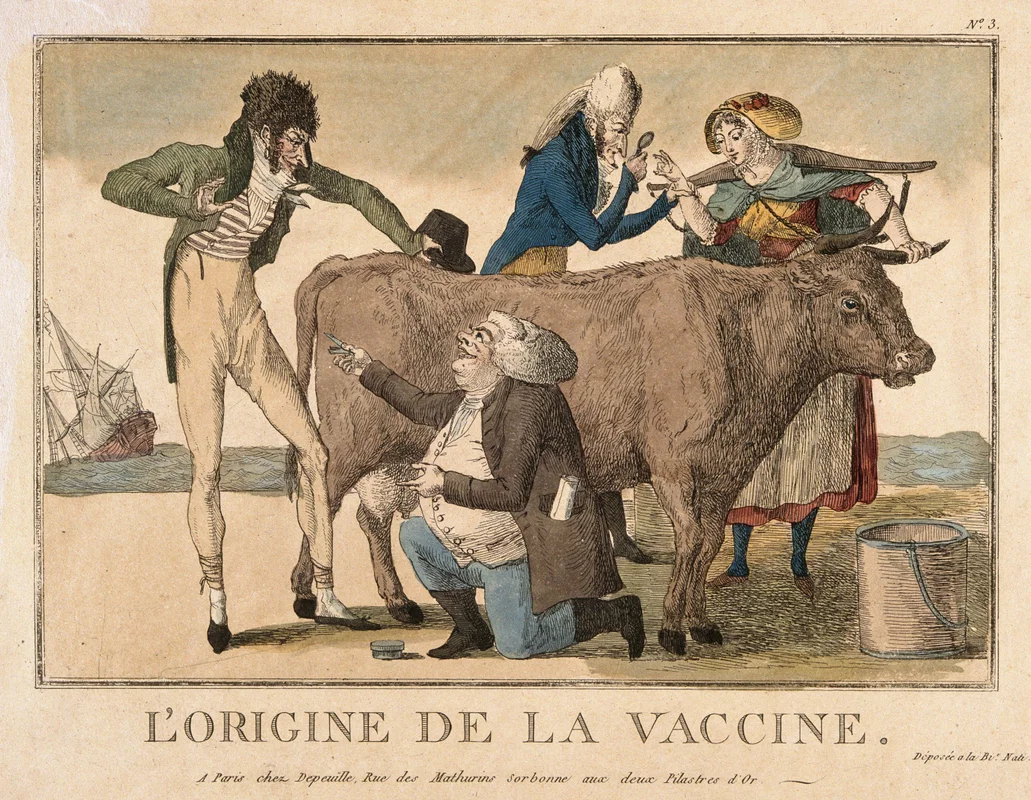
Comparative medicine has long played an important role in scientific discovery. Many early breakthroughs in immunology and infectious disease came from studying similarities and differences between species. Edward Jenner’s observation about milkmaids exposed to cowpox being protected from smallpox, led to the discovery of the first vaccine. Robert Koch identified the organisms responsible for diseases such as anthrax, tuberculosis, and cholera through studies that involved different animal models. This led to the formation of Koch’s postulates, which are still used today to determine whether a microorganism can cause disease.
Animal models continue to be central to immunology research. Studies in mice have helped scientists understand how immune cells develop, how infections are controlled, and how tumors interact with the immune system. At the same time, research has also revealed important biological differences between species. A response observed in mice does not always translate to humans. For example, mouse models have often been poor predictors for treatments for sepsis, a severe condition in which the body’s heightened response to infection damages its own organs and may cause death. Many therapies that were proven to be promising in rodents ultimately failed in human trials.
Even within humans, immune responses vary widely. Age, sex, genetics, and geographic environment can all influence how individuals respond to infections or vaccines. Because of this variation, it is difficult for any single experimental model to fully capture human immunology. Nearly 90 percent of therapies tested in early clinical trials do not reach the market, and limitations in preclinical models are often considered one of the top contributing factors.
The Changing Landscape of Preclinical Research
Ethical considerations have also shaped how animal models are used. Researchers must justify every aspect of animal use in their studies and follow strict regulations. With the rising public awareness of animal welfare, these ethical considerations have become an integral part of discussions surrounding biomedical research.
Recent policy changes reflect this shifting landscape. In April 2025, the United States Food and Drug Administration (FDA) announced plans to reduce or potentially eliminate animal testing requirements for certain drugs. Instead, FDA proposed shifting focus towards the use of human relevant approaches such as computational toxicity models and in vitro testing using human cell lines and organoids. These approaches are commonly referred to as ‘New Approach Methodologies’ or NAMs.
The announcement drew significant attention from both the scientific community and saw immediate impact on financial markets. In the following days, shares of Charles River Laboratories, a company that provides preclinical research services including animal testing, dropped by 28% amid concerns that NAMs might eventually replace traditional animal models.
Animal Models Beyond Translation
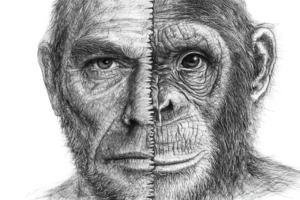
The debate around animal models often centers on their limitations in predicting human outcomes. However, this overlooks a second, equally important role: their contribution to fundamental discovery. Animal models are not only tools for translation, but also for understanding how immune systems work. Even as efforts improve their clinical relevance, studying immune systems across species remains essential.
While new technologies such as organoids and computational models offer valuable tools, they cannot yet capture the full complexity of living biological systems. Interactions between organs, tissues, and immune pathways often require whole-organism models to be fully understood. At the same time, significant efforts have been made to improve the translatability of animal studies. These include the use of more physiologically relevant models, such as humanized mice that incorporate components of the human immune system; the selection of species or disease models that more closely mirror human pathology; and the use of “dirty” or rewilded mouse models that better reflect real-world environmental exposures. Together, these approaches aim to bridge the gap between preclinical research and clinical outcomes, making animal models more predictive rather than obsolete.
What Other Species Can Teach Us
Despite the changing landscape in preclinical research, studying immune systems across species remains critical for providing important biological insights. These insights span multiple aspects of immune function, from pathogen tolerance to immune system architecture and tissue compatibility. For example, bats can carry viruses such as coronaviruses and Ebola viruses with little illness. Understanding how their immune systems control inflammation may help scientists develop better treatments for viral infections. Other species show very different immune adaptations. For instance, sharks and lampreys possess alternative forms of adaptive immunity that rely on antigen receptors distinct from antibodies. These alternative systems can inspire novel therapeutic tools, such as engineered binding proteins or new approaches to immune modulation. Moreover, studying immunology across species can shed light on tissue transplantation. For example, deep-sea anglerfish exhibit one of the most extreme reproductive strategies in vertebrates: tiny males permanently fuse to females, forming a shared circulatory system and functioning as lifelong sperm providers. To enable this, species with permanent attachment have lost key components of adaptive immunity, including MHC molecules, functional killer T cells, and, in some cases, antibodies— systems that would normally drive tissue rejection. Instead, they rely on modified innate defenses. This remarkable adaptation, which evolved multiple times independently, suggests that under strong reproductive pressure, vertebrates can survive without classical adaptive immunity, offering unexpected insights into transplant tolerance and immune system flexibility. Overall, these examples illustrate how studying diverse organisms can expand our understanding of immune biology.
Conclusion
The debate over animal models often focuses on what they cannot do. Yet their greatest value may lie not only in prediction, but in discovery. Comparative immunology shows that immune systems are more diverse and adaptable than any single model can capture. Rather than choosing between animal models, we might benefit from combining insights from different immune systems across species to build a more complete and holistic picture of immune biology.

Tianning Yu
Latest posts by Tianning Yu (see all)
- CSI 2026 Recap - October 5, 2026
- Comparative Immunology: Why Investigation Across Species Still Matters - May 24, 2026
- Funding Canadian Biotech: How Venture Capital, Private Equity, and Public Programs Shape Our Innovation Ecosystem - January 25, 2026