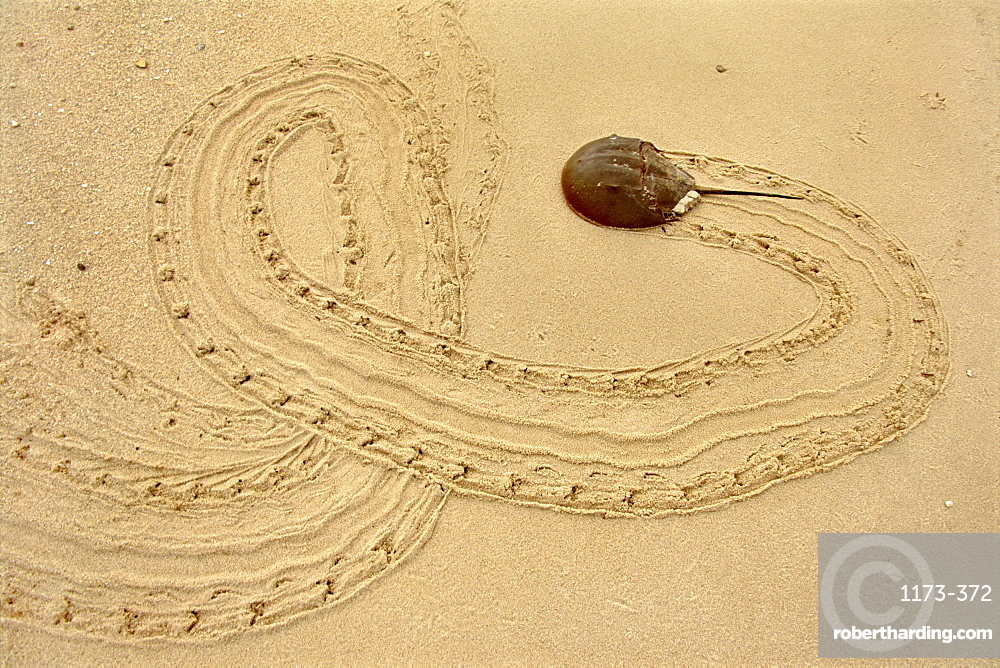
The horseshoe crab has carved its way into a unique niche of species. Despite what its name might lead on, it is neither a crab nor a crustacean by definition,...
The UN estimates that the world population is projected to reach around 9.8 billion in 2050, and perhaps 11.2 billion in 21001. As such, the demand for proper sustenance will...
Every year, more than 115 million animals are used worldwide for biomedical experimentation, and every year, several animal rights activist groups argue against this practice. This has fueled an immense...
The first human ancestor existed on earth between five and seven million years ago. Throughout the lengthy process of evolution, humans acquired many skills, such as language, art, and the...
Dr. Rupert Kaul completed his medical training at the University of Toronto (UofT) in 1995 followed by a specialization in Infectious Diseases. After his medical training, Rupert took on a...
Using air travel, virtually every country in the world is accessible within a few days’ journey. Before the Industrial Revolution, these trips took years to complete. With the remarkable and...
Sexually transmitted infections (STIs) such as chlamydia, gonorrhea and syphilis may not seem like major health issues anymore, but more and more Canadians every year are suffering from these infections....
Cautionary portrayals of COVID-19 in mass media have led to a greater understanding of the dangers of a global pandemic, which has helped to reduce the impact the virus has...
Chances are, you’ve probably looked into a microscope at least once in your life. Whether it was to look at cells of an onion skin, to visualize colonies of growing...
The 1918 influenza pandemic infected an estimated 500 million people or one third of the global population. This led to at least 50 million deaths, all by a single virus....